
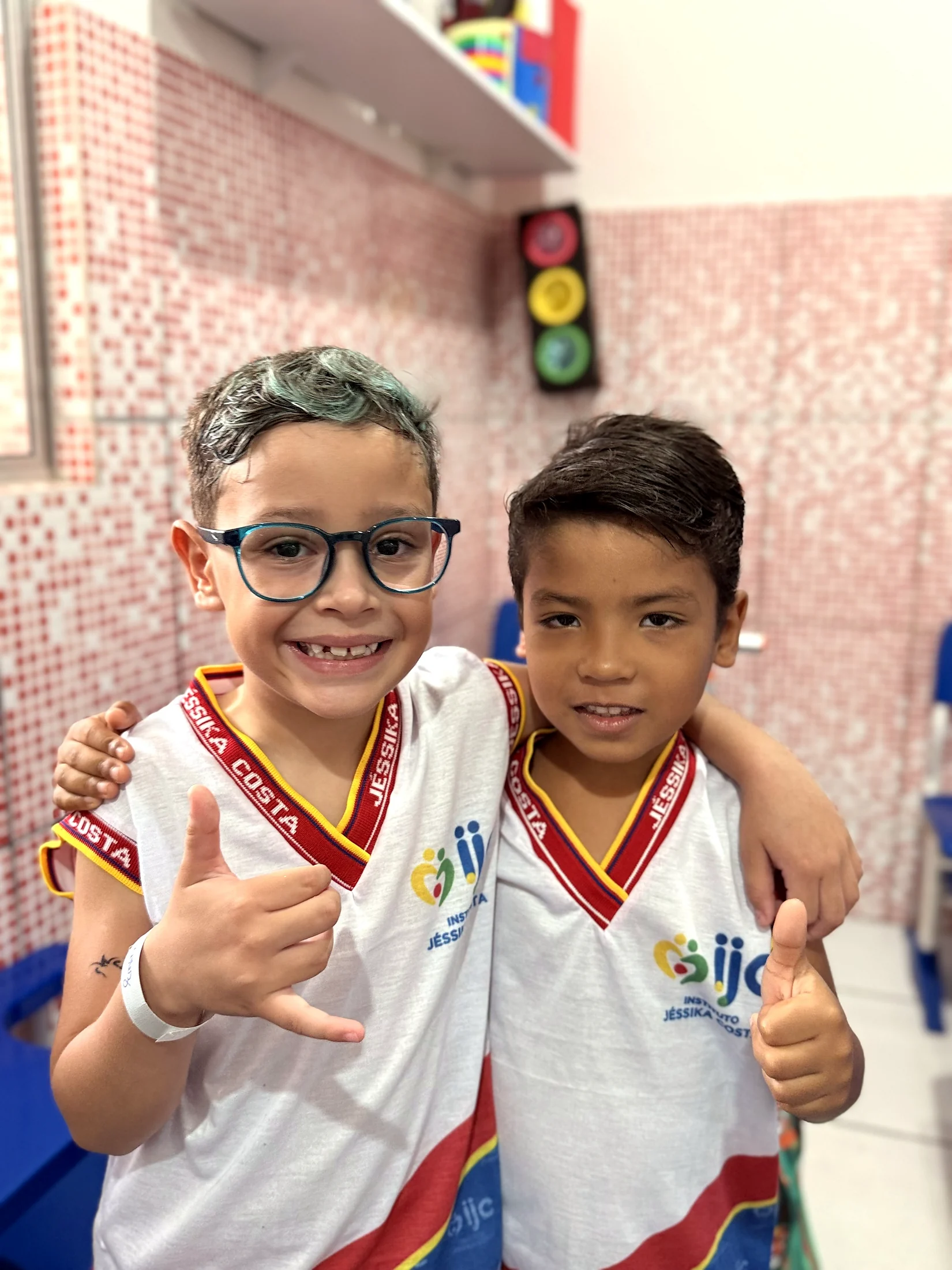
Before classrooms, there was a home. Before the school, there was a family story.
The Institute's history is rooted in motherhood and the wish to create an educational experience close to the founder's daughter. The school began at home and, over time, took shape across new facilities and generations.
We tell this story not to live in the past, but to remember why a family's trust must never be treated lightly.
On 10 February 1992, that decision became a date to remember. A personal family beginning grew into an educational project shared with other families. What began at home became part of a wider community.
Every child arrives with a story, and every family brings hopes, questions and plans. Knowing where the Institute began helps explain why those stories matter to the work that takes place here.
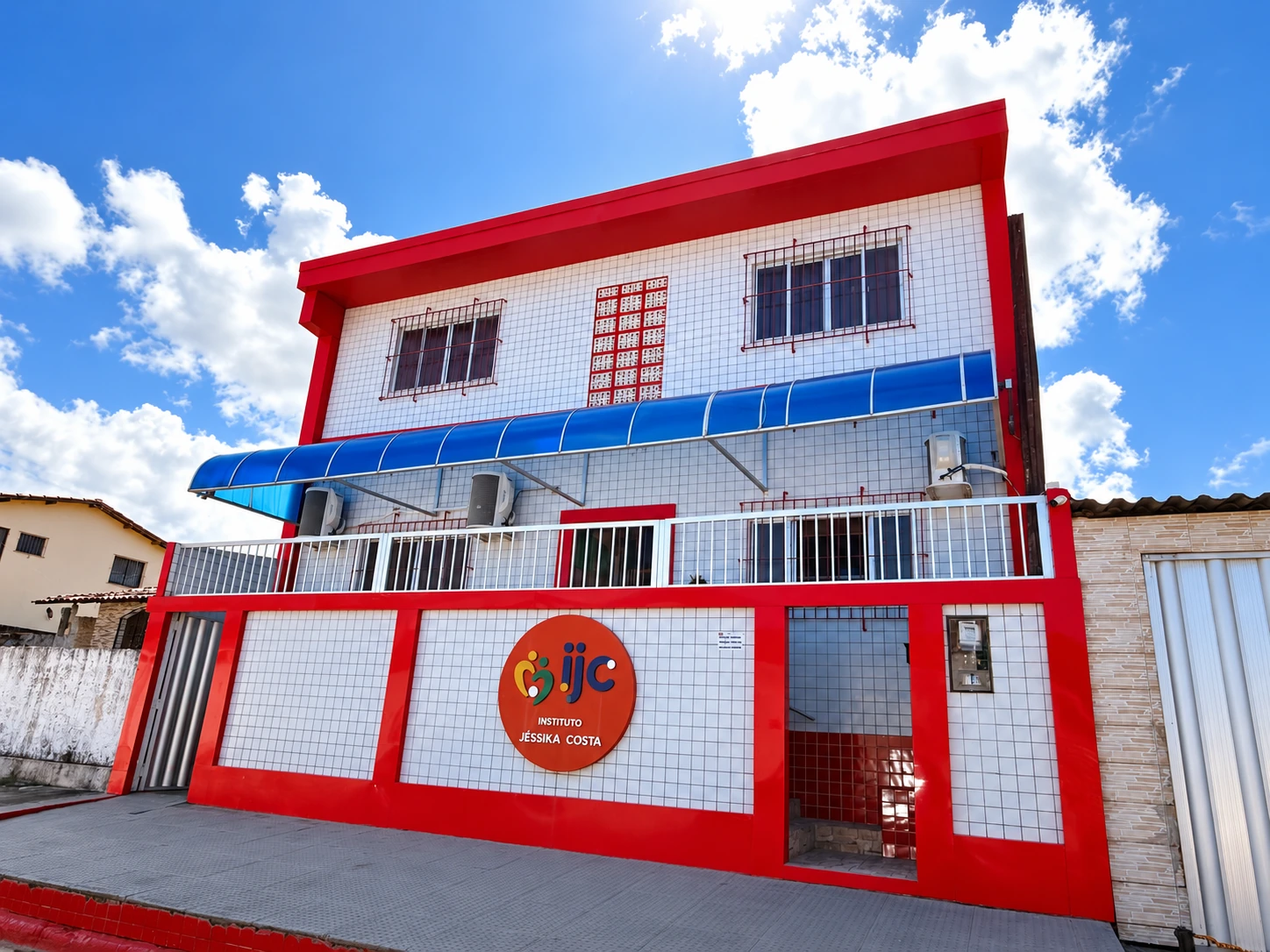
What holds a school together can never fit entirely inside a logo.
It can be found in the seriousness of a lesson. A conversation with a parent. The effort behind an activity. The courage to acknowledge what needs to improve. The people who arrive every day to teach, learn and work.
Worthy of those who belong.
That is the standard we choose to set for ourselves: making sure the experience at IJC increasingly lives up to the trust it receives.
A school’s story is also written in ordinary moments: a discovery in class, a thoughtfully prepared activity and the relationships that shape daily life. These experiences connect the school’s history with the memories of those who belong.
The past gives us a starting point. The people here today give that story continuity through teaching, listening and a willingness to improve.
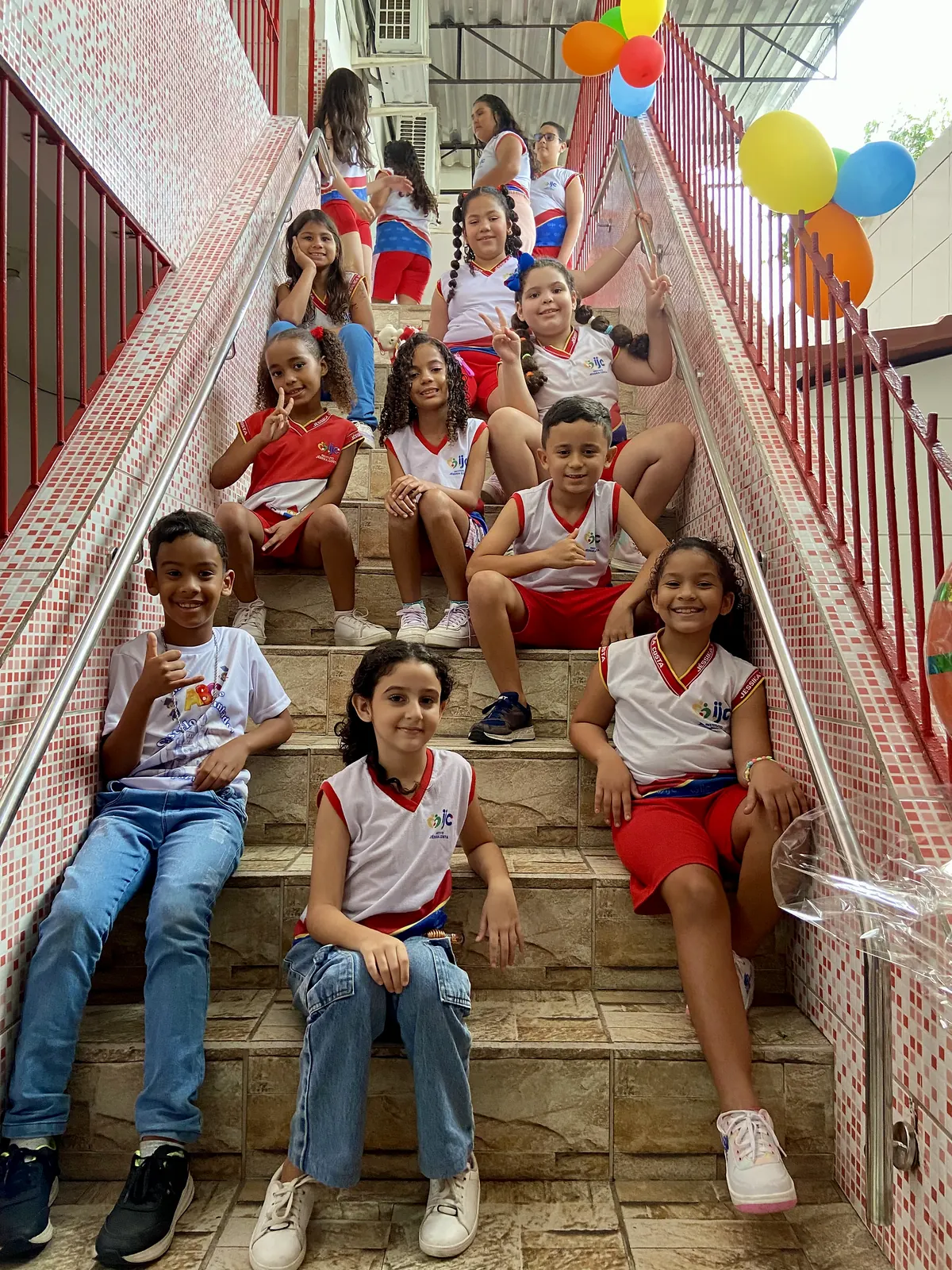
Behind a symbol, a choice: to put people at the centre.
IJC's new symbol was designed using shapes that suggest connection and presence around a child. Its initials can also evoke the closeness of the people involved in school life.
Not a magical promise of protection. A daily reminder of responsibility.
Red expresses the energy, conviction and commitment we aspire to bring to our work. A brand's true meaning has to appear in its actions.
A visual identity brings an idea together in a symbol, but it cannot replace experience. For a new family, it is an invitation to discover the school. For the community, it should recall the responsibility that comes with teaching and human relationships.
The meaning of the brand depends on words, images and actions moving in the same direction.

Made by people. Worthy of those who belong.
Teaching is the reason. People give it meaning.
The Institute serves children from Early Childhood Education through Year 9. At every stage, the school has practical responsibilities: organising learning, developing knowledge, guiding interactions and maintaining dialogue with families.
As children move through school, their questions, interests and ways of learning change. The Institute takes part in that journey alongside students and families, with education as its reason to exist.
Photographs of lessons, activities and gatherings give that work a human face. A visit and a conversation with the team offer a fuller understanding of everyday school life.
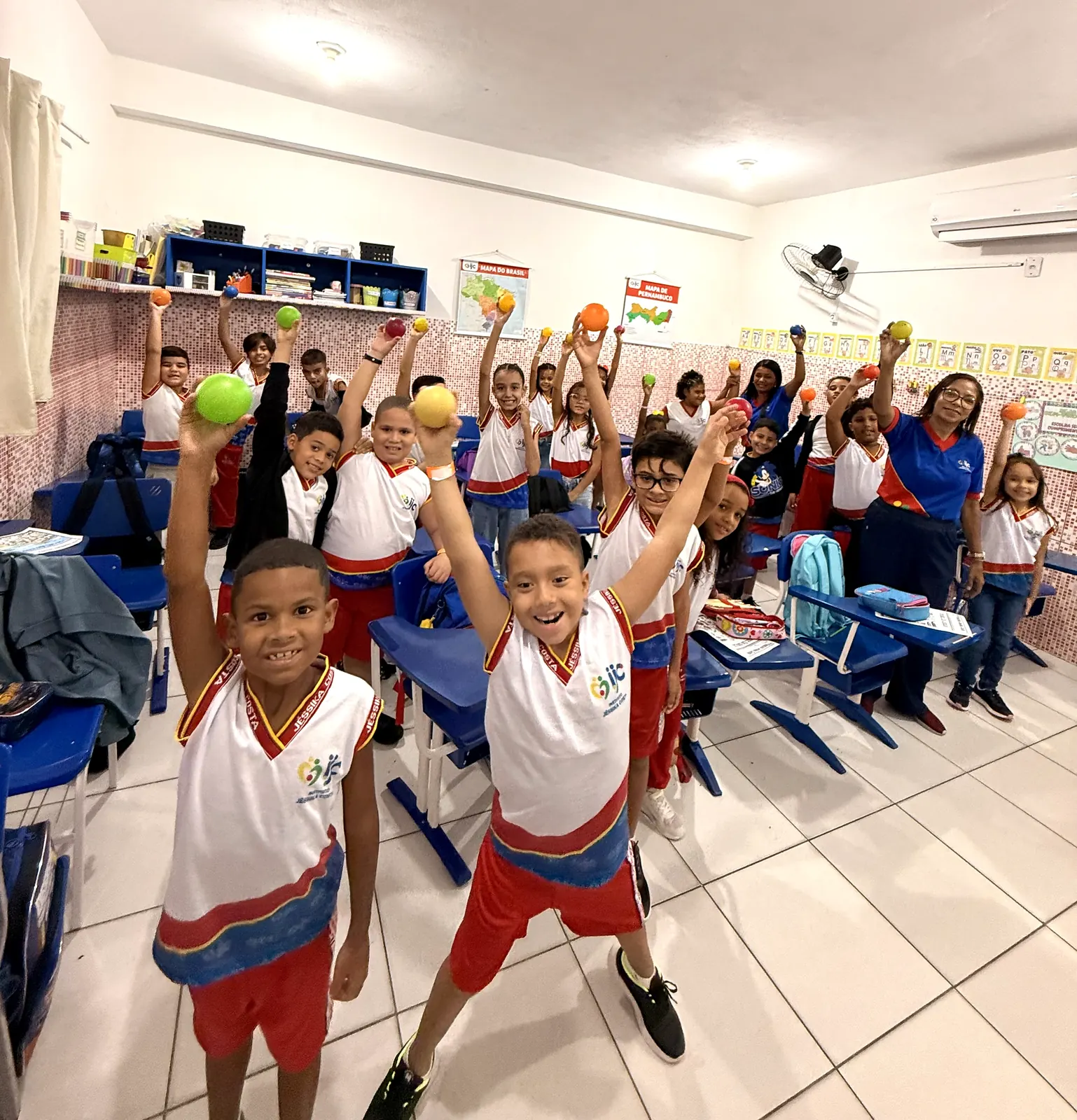
Our story, still being written.
10 February 1992 — The beginning. A school is founded from a personal family initiative.
From home to new spaces — The educational project grows beyond its first setting. No unverified dates are assigned to this transition.
Today — Early Childhood Education through Year 9, in Maranguape II, Paulista, Pernambuco.
10 February 2027 — The Institute will mark 35 years since its founding.
A story deserves to be told. A school needs to be experienced.
Our history is part of who we are. Meet today's IJC through its people, everyday life and conversations.
A conversation is the best way to connect our story with yours. Ask about school stages, routines and the people who work with students. Explore the spaces and share what your family is looking for.
The photographs on this page come from the school’s collection. They are not presented as pictures of its founding or early years; they connect the Institute’s story with the people and spaces of school life.